
The way we design our homes is evolving. Today’s homeowners are not only seeking comfort and style but also making conscious choices for the planet. Sustainable interior design 2025 is no longer a passing trend—it’s the future of modern living.
At Vstuk Decor, we believe sustainability should not compromise beauty. Instead, eco-friendly choices can make your interiors even more luxurious, functional, and timeless. This blog explores the top sustainable design practices shaping homes in 2025.
1. What Makes Interior Design “Sustainable”?
Sustainability goes beyond choosing green materials. It means:
- Reducing waste during construction or remodeling.
- Using renewable, recyclable, or responsibly sourced materials.
- Incorporating energy-efficient systems for long-term savings.
- Designing timeless interiors that won’t need frequent changes.
✨ Pro Tip: Focus on quality and durability—a design that lasts longer is inherently sustainable.
2. Eco-Friendly Materials Trending in 2025
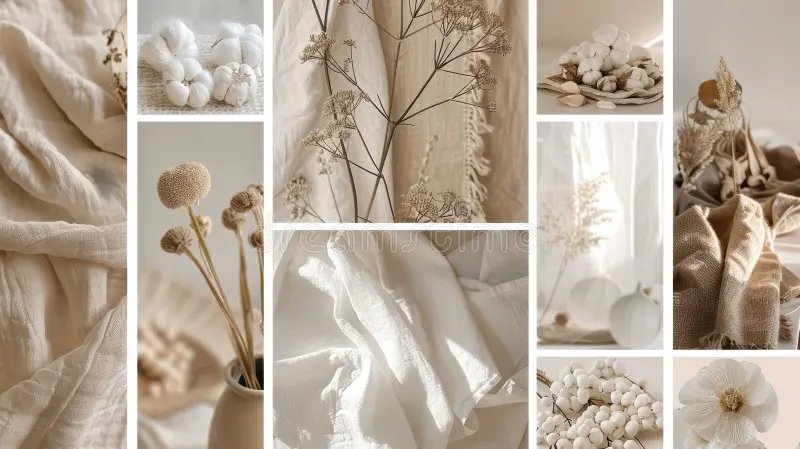
Materials define the tone of sustainable homes. Popular options include:
- Bamboo flooring – fast-growing, durable, and stylish.
- Recycled glass tiles – chic and eco-conscious.
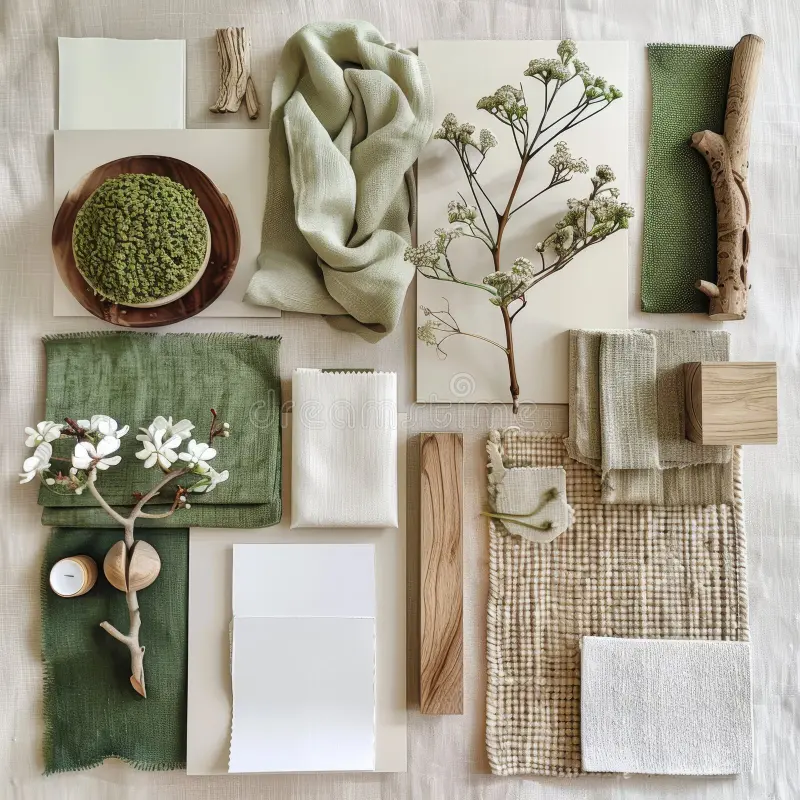
- Natural fabrics like organic cotton, hemp, or linen.
- Reclaimed wood for a rustic yet modern appeal.
✨ Why it matters: Choosing renewable resources reduces your carbon footprint.
3. Energy-Efficient Home Upgrades
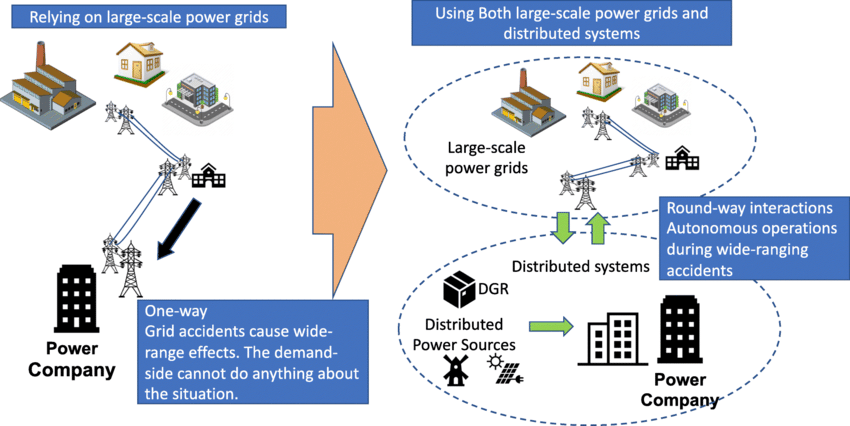
Sustainability and technology now go hand-in-hand.
- Smart thermostats & automated lighting.
- Energy-efficient appliances with 5-star ratings.
- LED and solar-powered lighting systems.
✨ Pro Tip: Energy-efficient interiors save costs while protecting the environment.
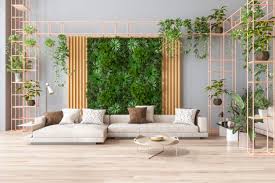
4. Indoor Greenery and Biophilic Design
Bringing nature indoors is a defining element of sustainable interior design 2025.
- Vertical gardens in living rooms.
- Balcony plantations with self-watering systems.
- Indoor air-purifying plants like snake plant & peace lily.
✨ Why it matters: Green interiors enhance wellness and indoor air quality.
5. Water Conservation in Interior Design
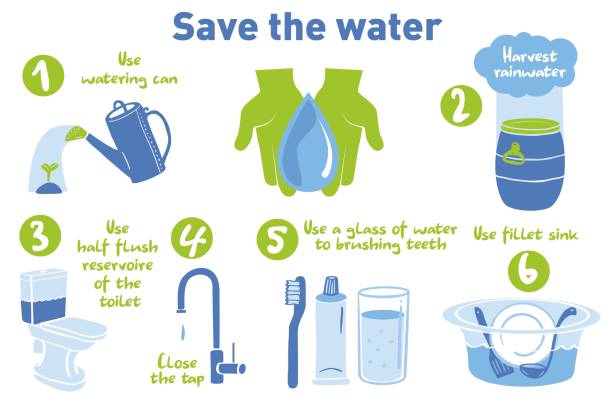
Water scarcity is a global concern, and homes play a role.
- Dual-flush toilets and low-flow taps.
- Rainwater harvesting integrated into new construction.
- Greywater recycling systems for gardens.
✨ Pro Tip: Choose plumbing fixtures designed to save at least 20–30% water.
6. Minimalist and Timeless Interiors
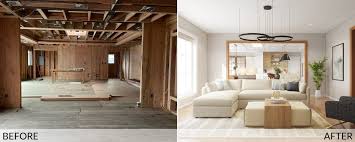
Minimalism aligns perfectly with sustainability.
- Decluttered spaces mean fewer, higher-quality items.
- Neutral palettes that remain relevant over time.
- Built-in storage solutions to reduce material waste.
✨ Why it matters: Timeless interiors reduce the need for frequent remodeling.
7. Local & Handmade Elements
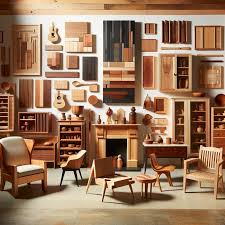
Supporting local artisans is sustainable and stylish.
- Handwoven rugs, pottery, and handcrafted furniture.
- Locally sourced stone, wood, or fabric.
- Bespoke art pieces that add cultural value.
✨ Pro Tip: Local sourcing reduces transportation emissions and supports communities.
8. Sustainable Luxury – The New Standard
Luxury is no longer about excess—it’s about conscious elegance.
- Natural stone countertops.
- Eco-friendly paints with zero VOCs.
- Premium finishes that are durable and low-maintenance.
✨ Why it matters: Luxury can be sustainable without sacrificing sophistication.
9. Waste Reduction During Renovation
Renovation often creates excessive waste. In 2025, we aim to reduce it by:
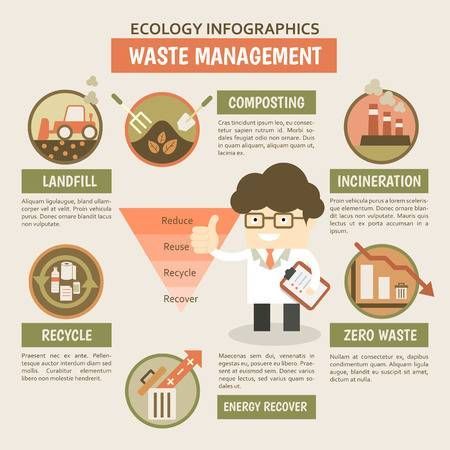
- Repurposing old furniture.
- Recycling demolition materials.
- Donating usable items to NGOs.
✨ Pro Tip: Plan renovations in phases to minimize material wastage.
10. Future of Sustainable Interiors
The next step in eco-friendly design includes:
- Smart homes powered entirely by renewable energy.
- AI-driven layouts to maximize efficiency.
- Circular economy designs where materials are reused endlessly.
✨ Why it matters: Future-ready homes ensure comfort while protecting future generations.
FAQs
Q1: Is sustainable interior design 2025 expensive?
Not always. With careful planning and material selection, it can even save money long-term.
Q2: Can small apartments be eco-friendly?
Yes—compact homes benefit most from efficient layouts and energy-saving designs.
Q3: Which is the best eco-friendly material for flooring?
Bamboo and reclaimed wood are excellent, stylish, and durable options.
Q4: How can I start making my home sustainable?
Start small—with LED lighting, water-saving taps, and a few indoor plants.
Conclusion
Sustainable interior design 2025 is about creating homes that are stylish, functional, and eco-conscious. By embracing green materials, smart energy solutions, and minimalist layouts, you not only improve your living environment but also contribute to a healthier planet.

